

Is It Truly Italian? A Guide to Finding Authentic Cuisine Worldwide
Italian food has a way of pulling people in, whether it is a quiet corner trattoria or a lively spot tucked along a busy street. The aroma of simmering sauce, the clink of glasses, and the promise of comfort all set expectations high. Yet not every plate of pasta delivers that feeling of being transported somewhere special. Many diners have paused mid bite and wondered why one meal feels unforgettable while another falls flat. That curiosity often leads back to Real Italian Restaurants, where authenticity shows up in small, meaningful details rather than bold claims or oversized menus. The experience usually feels relaxed, confident, and rooted in tradition, even when the setting is far from Italy.
Authenticity often begins with simplicity. Traditional Italian cooking values restraint, allowing a handful of quality ingredients to shine rather than burying them under heavy sauces or endless toppings. Menus tend to be focused, sometimes even short, and they change with the seasons. This is not a limitation; it is a sign of care. Fresh tomatoes taste different in summer, and olive oil varies by region, so dishes evolve naturally. When a restaurant respects these rhythms, the food feels alive. The kitchen is not trying to impress with complexity, it is aiming for balance, which is often harder to achieve and far more rewarding for the diner.
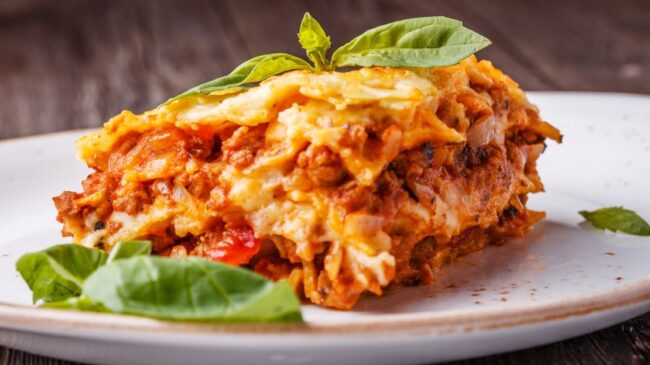
Another clue comes from how dishes are described and served. Authentic Italian meals follow a natural flow, starting light and building gently, without rushing. Portions are satisfying but rarely overwhelming, because the goal is enjoyment rather than excess. Pasta is cooked with intention, never mushy, never drowned. Sauces cling instead of pooling. Even the way bread is offered can say a lot. In many traditional settings, bread supports the meal rather than stealing the spotlight. These choices reflect habits passed down through generations, shaped by regional customs rather than global trends.
Atmosphere plays a role too, though it can be subtle. Real Italian spaces often feel lived in rather than staged. Decor may be simple, even a little mismatched, but it carries warmth. Staff tend to speak about the food with quiet confidence, happy to explain without overselling. There is pride, but not performance. This sense of ease creates trust, and trust allows diners to relax. When a restaurant knows who it is, it does not need to convince anyone. The experience unfolds naturally, inviting people to slow down and enjoy the moment.
Learning how to recognize Real Italian Restaurants can change the way people dine, whether traveling abroad or exploring close to home. It becomes less about chasing labels and more about paying attention to cues, ingredients, and intentions. Authenticity rarely announces itself loudly, it reveals itself through consistency and care. By noticing these signs, diners open the door to meals that feel richer and more connected to culture and place. The reward is not just better food, it is the sense of sharing something genuine, a small taste of tradition that lingers long after the last bite.